







Wastewater Treatment Solutions for Liquid Waste Companies
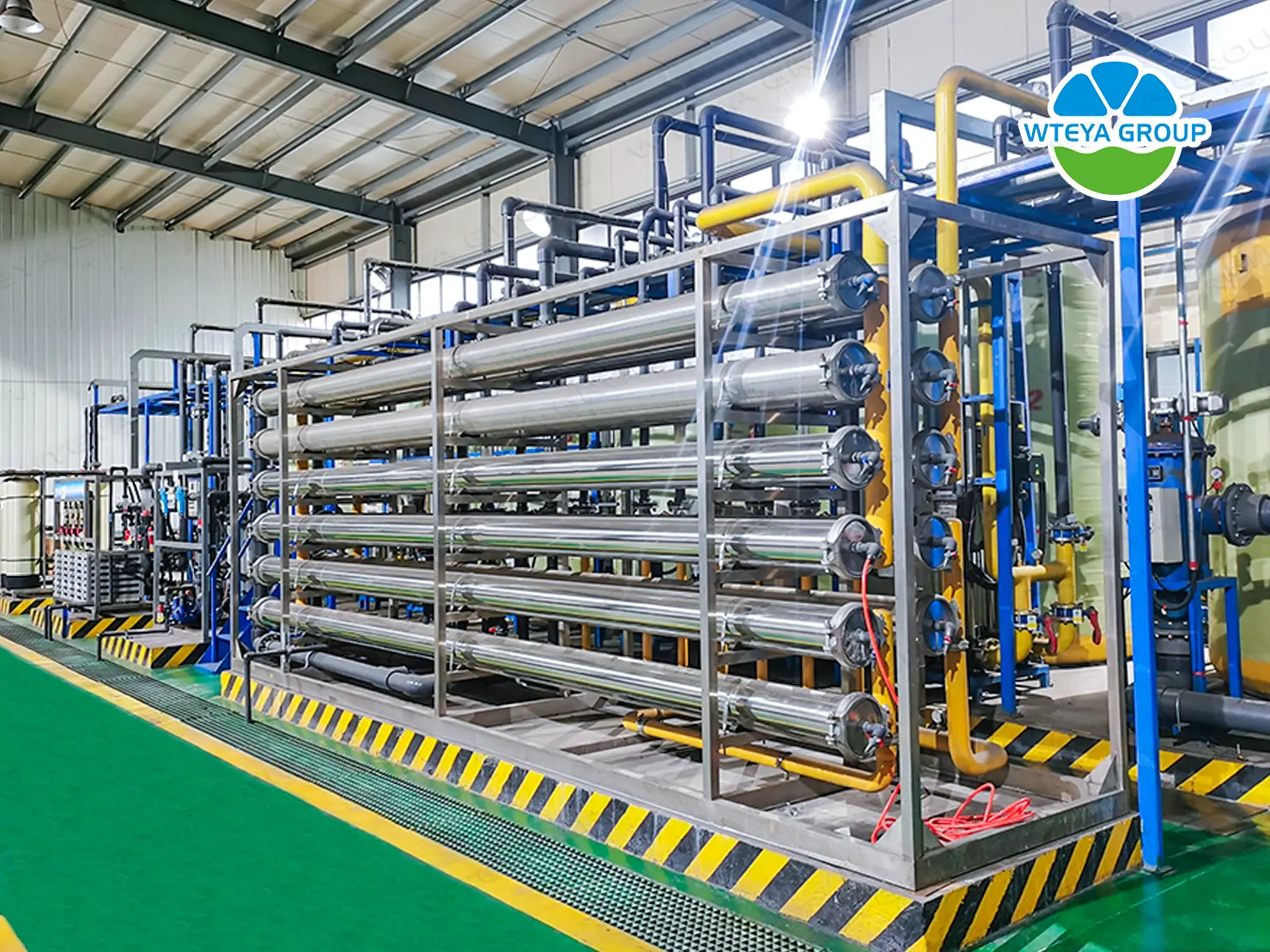
Wastewater Treatment Solutions for Liquid Waste Companies
Liquid waste companies sit at an awkward point in the water cycle: they take the streams that municipal plants and factories will not handle on site, and they are paid to make those streams disappear safely. Wastewater treatment is therefore the core of the business, not an accessory to it. A plant configured for the wrong feed either fails a discharge limit or spends its margin on chemicals, tankering and downtime. This article sets out how the common liquid waste streams differ, and how pretreatment, evaporation and membrane stages are combined into a train that stays economical.
The Waste Streams Liquid Waste Companies Actually Handle
Equipment selection starts with an honest inventory of what arrives at the gate. Most contractors handle several of the following, and the mix matters more than any single analysis.
Septage and holding tank sludge carry high suspended solids, grit and organic load. Grease trap and interceptor waste is dominated by fats, oils and grease that float, coat surfaces and clog every narrow passage in a plant. Industrial wash water and tank cleaning waste bring surfactants, oils and sometimes metals. Landfill leachate combines ammonia, refractory organic matter and dissolved salts. High-salt or high-COD streams from industrial clients can arrive without warning when a new account joins a collection route.
Each of these behaves differently in a treatment train. A design that works for septage may be defeated by grease, and a design that works for grease may be defeated by salinity. That is why the first engineering task is characterisation, not equipment selection.
Pretreatment: The Stage That Decides Everything Downstream
Pretreatment is where most operating cost is either prevented or created. Screening and grit removal protect pumps and mixers. Equalisation absorbs the variation between loads, which is the single largest difference between liquid waste duty and a steady industrial effluent; a tank sized for average flow rather than peak load will pass shocks straight to the biological or membrane stages.
Where fats and oils are present, separation — gravity, dissolved air flotation or chemical-assisted coagulation — removes the fraction that would otherwise foul membranes and coat heat exchanger surfaces. pH correction and chemical conditioning follow, dosed against measured rather than assumed values. A conventional sewage treatment plant covers the biological removal of organic load for the more dilute part of the stream, and can be combined with the physical stages above on the same site.
Evaporation and Concentration for High-Salt, High-COD Streams
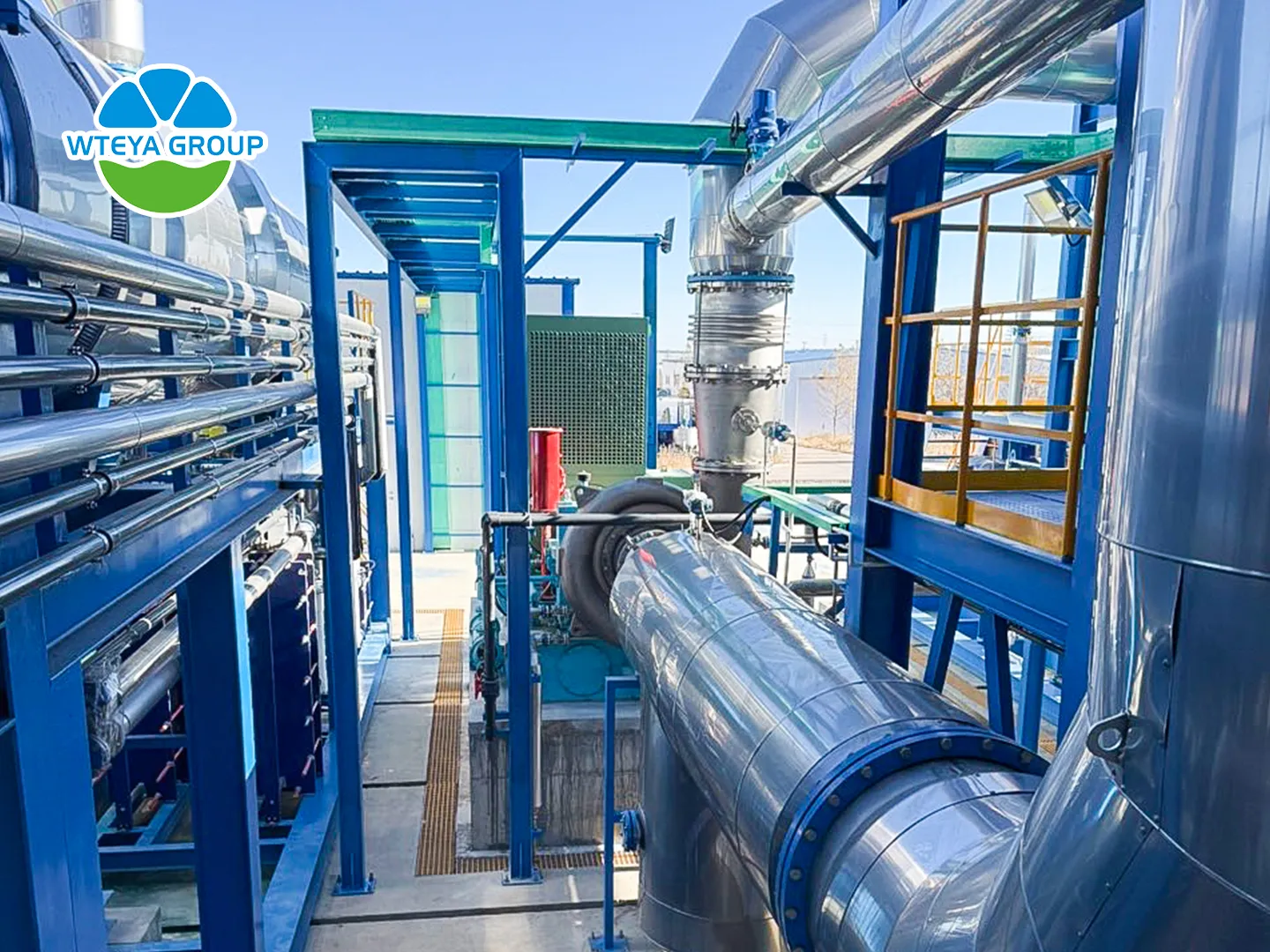
Membranes have a limit. When dissolved salt content pushes osmotic pressure beyond what a practical pump pressure can overcome, or when organic load fouls membranes faster than they can be cleaned, evaporation becomes the working option. The purpose is volume reduction: water leaves as distillate, and the remaining concentrate is small enough to be handled, crystallised or sent for disposal at a cost the site can absorb.
Mechanical vapour recompression is the usual configuration where electrical power is available. The compressor raises the pressure and temperature of the vapour so it can be reused as the heating medium, which recovers most of the latent heat inside the unit and keeps specific energy consumption far below single-effect thermal evaporation. Falling film designs suit cleaner, lower-viscosity streams; forced circulation designs tolerate scaling and higher solids.
Evaporation is not a substitute for pretreatment. Scaling salts, foaming organics and suspended solids all reduce availability, and a unit that has to be cleaned weekly will not deliver the operating cost it promised on paper. Feed conditioning, antifoam strategy and a realistic cleaning schedule belong in the design, not in the commissioning week.
Membrane Polishing, Discharge and Water Reuse
After solids, oil and a large part of the dissolved load have been removed, membrane stages take the stream to its final quality. Ultrafiltration protects the reverse osmosis stage that follows; reverse osmosis removes dissolved salts and the remaining dissolved organics. Where the target is reuse rather than discharge, this is also where the value is created: permeate returned to truck rinsing, yard wash-down or irrigation reduces both intake water and discharge volume.
High-salinity polishing duty is well understood in seawater applications, and the same membrane engineering applies here. Reference configurations for that duty are described on our sea water treatment plant page. Brine from the reverse osmosis stage still needs a destination, and it is usually returned to the evaporator or handled with the concentrate, which is why the two stages are designed together rather than purchased separately.
Instrumentation earns its cost here. Conductivity, turbidity and flow measurement at each stage tell the operator which part of the train is drifting, long before a discharge limit is breached.
Operating Cost and the Configuration It Points To
Operating cost in liquid waste treatment is rarely dominated by the equipment price. It is dominated by five items, and they interact.
Energy comes first: aeration for biological stages, compressor power for evaporation, high-pressure pumping for reverse osmosis. Chemicals follow, and their consumption is decided largely by how well pretreatment is controlled. Membrane and consumable replacement is a function of fouling rate, which again traces back to pretreatment. Labour and supervision depend on how much the plant demands of its operator. Avoided tankering and disposal is the credit side of the ledger, and it is usually the number that justifies the investment — the more volume the plant removes on site, the fewer loads leave the yard.
Downtime belongs on that list as a cost in its own right. A plant that trips during a fixed collection window pushes work to a competitor, so availability, spare parts access and service response deserve the same attention in procurement as capacity and price.
That cost picture is what decides the configuration. A contractor handling mostly septage needs robust solids removal and biological treatment; one serving industrial clients with saline, high-COD waste needs evaporation and membrane concentration; one planning to sell reuse water needs polishing to a defined specification. Most real plants combine two or three of these, and the sensible way to specify them is from measured data: stream analysis, daily and peak volume, discharge limits, power available and the cost of disposal alternatives.
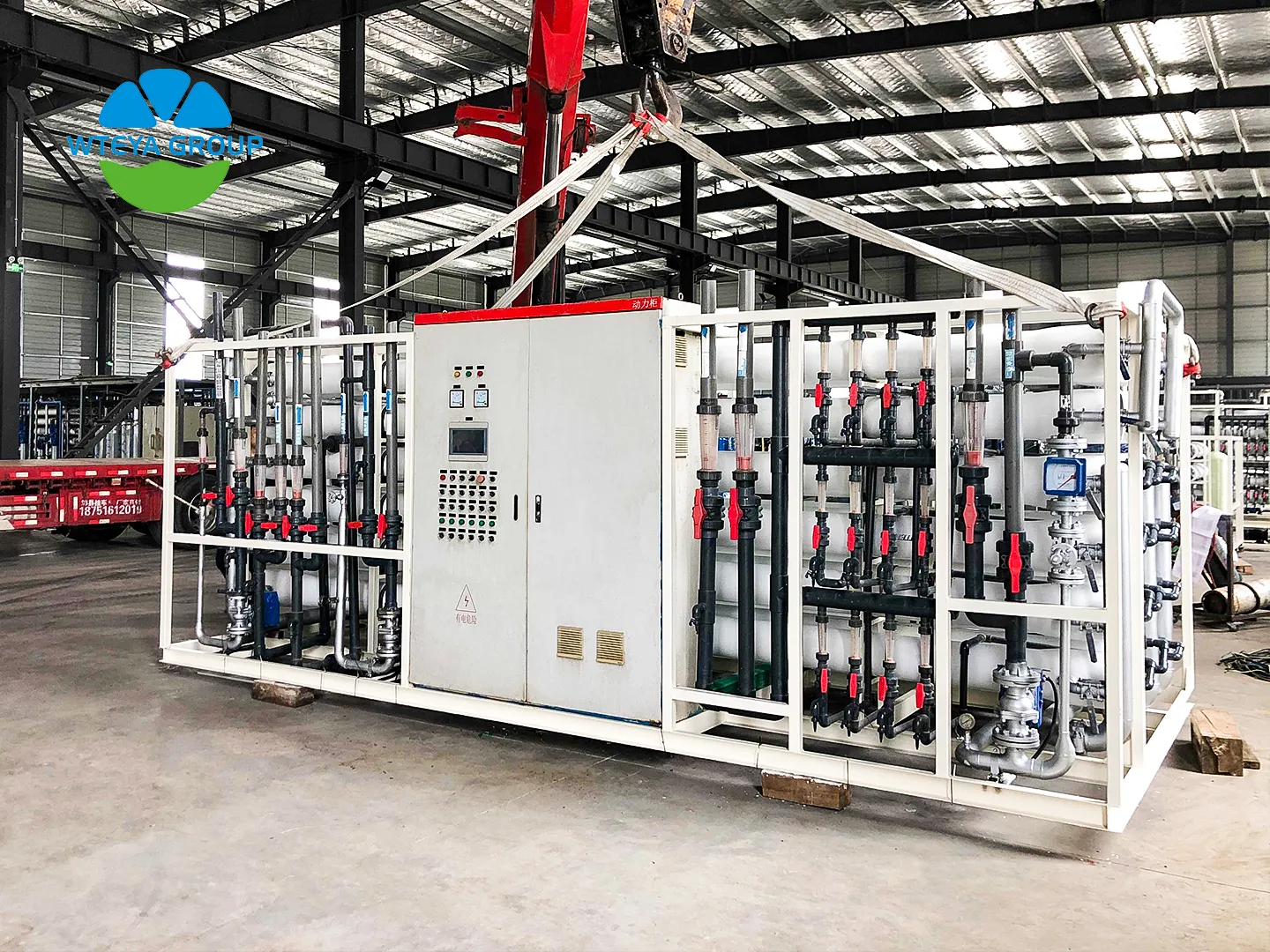
WTEYA builds pretreatment, biological, membrane and evaporation stages that can be combined into a single train, including compact skid-mounted options for sites with limited space, such as the small STP sewage treatment plant. If you send us your stream data and site conditions, our engineers will propose a configuration and the operating assumptions behind it, so the comparison against your current disposal cost is made on numbers rather than on a brochure. The full range is listed on our products page.