






Mobile Water Systems: Field-Ready Purification for Remote Construction Camps
Mobile Water Systems: Field-Ready Purification for Remote Construction Camps
Remote construction camps face a daily struggle that rarely makes headlines: getting enough clean water. A crew of 50 workers on a pipeline project or mining site can consume over 5,000 liters per day for drinking, cooking, and sanitation. Trucking water to a site 200 kilometers from the nearest town costs a fortune and leaves operations vulnerable to road conditions, fuel prices, and supply delays. When the water truck breaks down or the road washes out, the entire project grinds to a halt.
The Real Cost of Water Logistics at Remote Sites
Construction managers who run remote camps know the math all too well. Water delivery trucks charge by the kilometer. A single trip to a distant site can cost $500 to $1,500 — and that is just one load. Multiply that by daily deliveries over a 12-month project and the bill reaches hundreds of thousands of dollars. Beyond the direct cost, there is the operational risk. A three-day storm that blocks access roads means three days without fresh water. Workers cannot stay on site, deadlines slip, and contract penalties accumulate. The hidden costs of water logistics often exceed the visible line items on a project budget.
Mobile Water Treatment That Moves With the Job
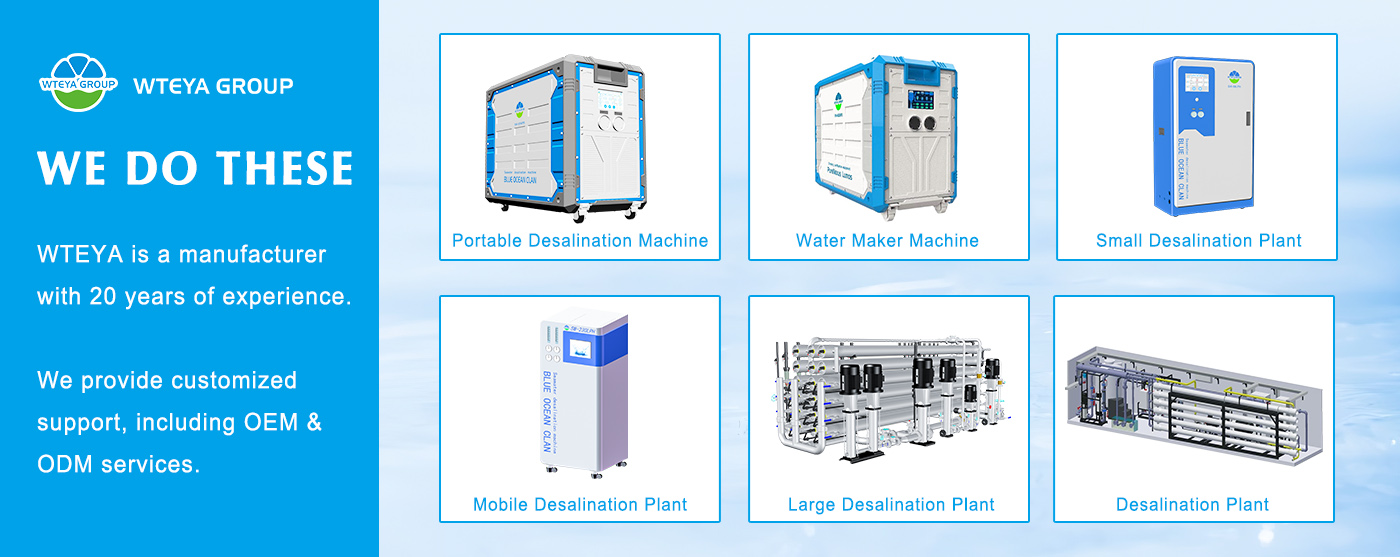
WTEYA mobile water supply systems solve this by bringing purification directly to the source. Unlike fixed infrastructure that stays behind when the project ends, these units are built on trailers or skids and can be towed to any location with vehicle access. Feed water comes from whatever is available on site — a nearby river, lake, borehole, or even brackish groundwater. The system treats it on the spot and delivers potable water that meets WHO drinking standards.
What makes the mobile approach different from traditional setups is the speed of deployment. A WTEYA mobile unit can be operational within hours of arriving on site, not days or weeks. There is no concrete pad to pour, no permanent plumbing to install, and no building permit to wait for. Connect the intake hose, start the pump, and the system begins producing clean water. When the project moves to the next phase, the unit moves with it.
How On-Site Purification Works
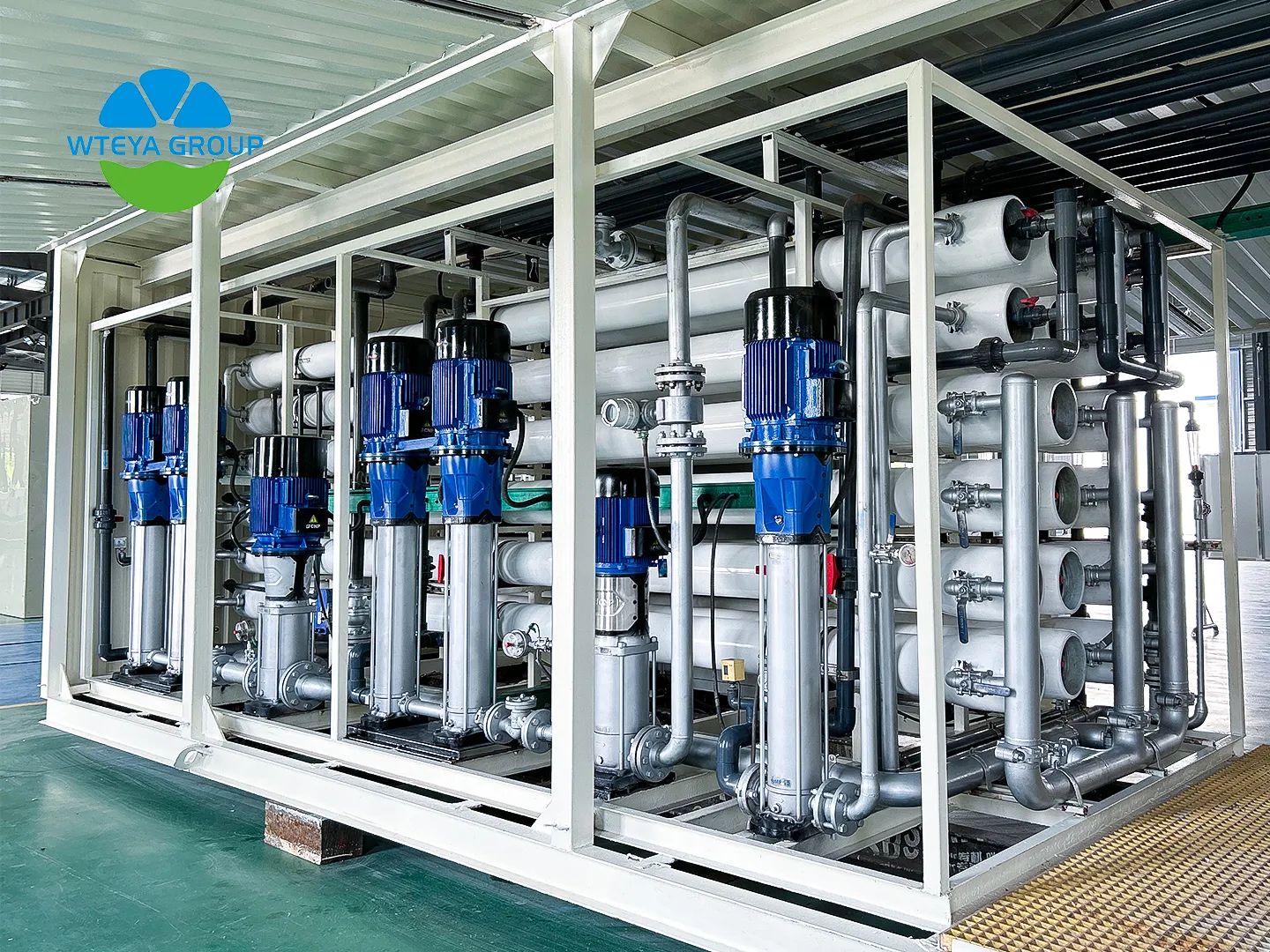
Modern mobile water treatment uses multi-stage filtration that fits into a compact footprint. Raw water first passes through sediment filters that remove sand, silt, and suspended particles. Next, activated carbon media strips out organic compounds, odors, and chlorine if the source water has been pre-treated. The core stage is reverse osmosis — semi-permeable membranes that reject dissolved salts, heavy metals, bacteria, and viruses at the molecular level. Finally, UV sterilization provides a second barrier against any microorganisms that might slip through.
The entire process runs on a standard diesel generator or site power supply. A typical mobile unit producing 5,000 liters per day occupies roughly the same space as a pickup truck and can be operated by one person after brief training. Automated controls handle pressure regulation, backwashing cycles, and quality monitoring without constant operator attention.
Why Contractors Choose Mobile Over Fixed Systems
The first advantage is flexibility. A mobile unit deployed at a highway construction camp this month can be relocated to a mining exploration site next month. The equipment is not tied to one location, which means the capital investment keeps working across multiple projects rather than sitting idle.
Second, the cost comparison favors on-site treatment once projects exceed a few months in duration. After the initial equipment investment or lease, the only ongoing costs are electricity, membrane replacement every two to three years, and routine maintenance. Water trucking, by contrast, is a recurring variable cost that never decreases. For a six-month camp with 80 workers, switching from trucked water to on-site mobile treatment typically recovers the equipment cost within four to six months.
Third, mobile systems eliminate the single biggest risk in remote water supply: dependency on external logistics. When the camp produces its own water, road closures, fuel shortages, and supplier problems become inconveniences rather than emergencies.
Applications Across the Construction Sector
Pipeline construction crews working across hundreds of kilometers use mobile units that advance with the spread. Mining exploration camps in arid regions treat brackish borehole water that would otherwise be undrinkable. Highway and tunnel projects in mountainous areas draw from streams and produce clean water on site. Military field operations and disaster response teams deploy the same technology for rapid camp establishment. Even temporary worker accommodations for wind farm and solar plant construction benefit from self-contained water supply that requires no permanent infrastructure.
Clean water should not be the bottleneck that slows down a multi-million-dollar construction project. With mobile treatment systems that move where the work goes, project managers gain control over one of the most unpredictable variables in remote site operations — and keep their crews working safely regardless of what the supply chain throws at them.
📲 WhatsApp: +86-1800 2840 855
📧 Email: sales@wteya.com
🌐 Website: www.wteyaa.com