







Energy Recovery in Desalination: Cutting Costs
Energy Recovery in Desalination: Cutting Costs
Ask any operator of a seawater desalination plant what keeps them awake, and the answer is rarely membranes — it is the electricity bill. Reverse osmosis has to push seawater through a membrane at 5.5 to 7.0 MPa, and a large share of that pumping energy leaves the system as high-pressure brine. An energy recovery device captures that pressure before it is lost and puts it back to work. On a typical seawater plant the saving is around 30% of pumping energy, and over the life of the plant that single component often decides whether the water is affordable.
Why Energy Dominates Desalination Operating Cost
In a seawater reverse osmosis plant, energy is the largest recurring cost, ahead of membrane replacement, chemicals and labour. The reason is physical. Only a fraction of the incoming seawater becomes fresh water — seawater recovery normally runs at 40% to 50% — so the remaining 50% to 60% is rejected as brine still carrying almost the full feed pressure.
Without recovery, a seawater RO train consumes roughly 3 to 4 kWh per cubic metre of product water. With a well-chosen recovery device that figure drops toward the 2.5 to 3 kWh per cubic metre range, which is meaningful when a plant produces thousands of cubic metres a day, every day of the year.
How Energy Recovery Works
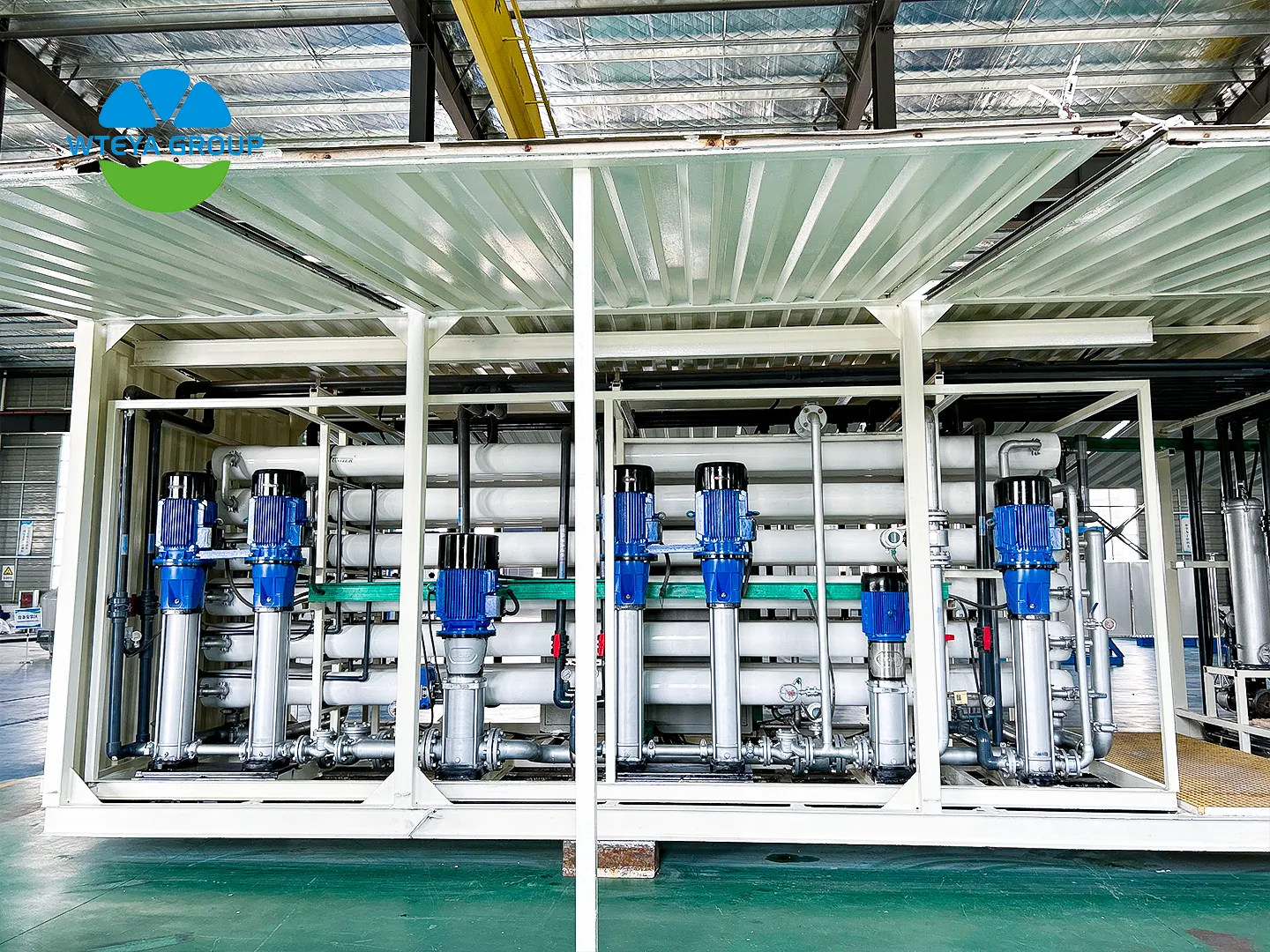
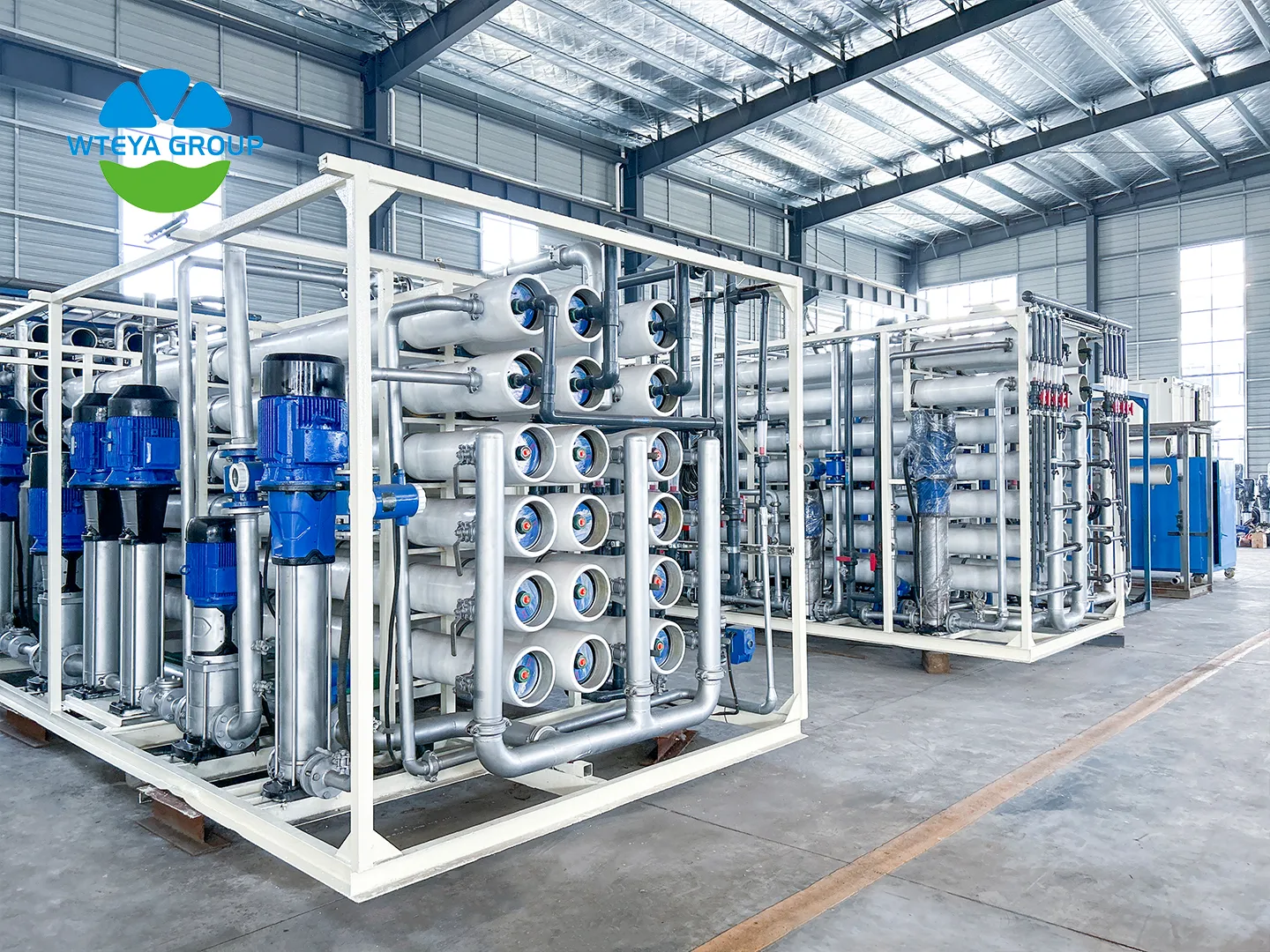
The principle is simple: the high-pressure brine leaving the membrane vessels still holds most of the energy that was pumped into it, and that energy can be transferred back to the incoming feed instead of being throttled away as heat and noise. Three families of device are used in practice.
Centrifugal devices — Pelton wheels, turbochargers and similar turbines — recover energy from the brine and use it to assist the high-pressure pump, typically recovering around 30% to 60% of the available energy. Isobaric devices, most commonly pressure exchangers, transfer pressure directly from the brine to the feed at very high efficiency, often 95% or more, because the two streams touch at nearly the same pressure and little energy is converted to other forms.
The trade-off is complexity. A pressure exchanger gives the best efficiency on large, high-recovery seawater plants, while a turbine is simpler and often the sensible choice on smaller systems or where maintenance access is limited.
The Numbers That Decide the Choice
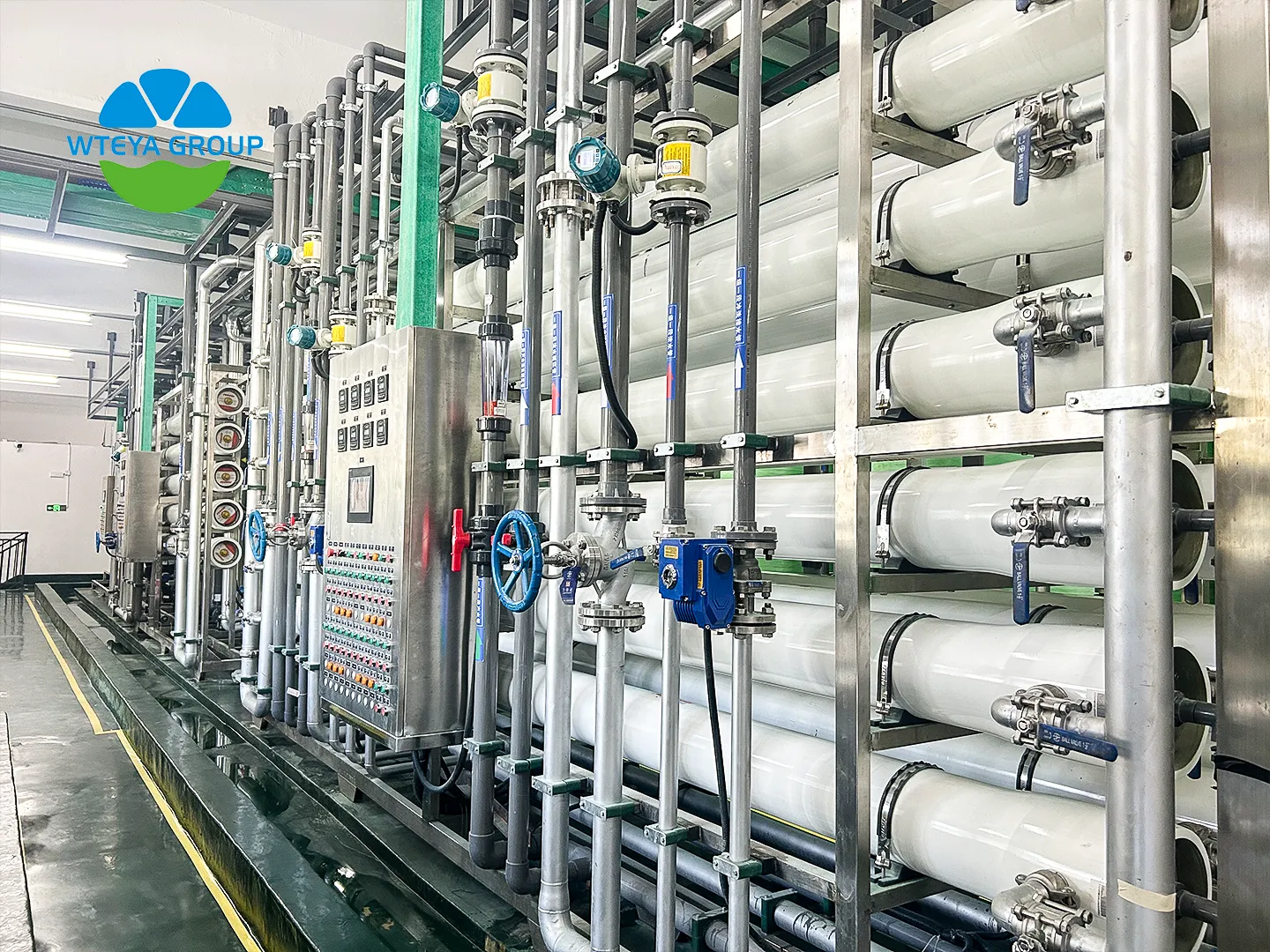
Energy recovery is ultimately a financial decision dressed in engineering clothes. A device that recovers more energy costs more up front, but the annual saving compounds over the plant’s service life. On seawater plants the payback on a quality recovery unit is normally measured in two to four years, after which the saving flows straight to the bottom line.
Brackish-water plants sit in a different regime. Because brackish feed is far less salty, it needs only 1 to 2 kWh per cubic metre and runs at a recovery of 50% to 75%; the brine carries less value, so a simpler and cheaper arrangement is usually the right answer. Sizing the device to the actual flow and pressure — rather than to a rule of thumb — is what keeps the payback short.
Matching Energy Recovery to Your Plant
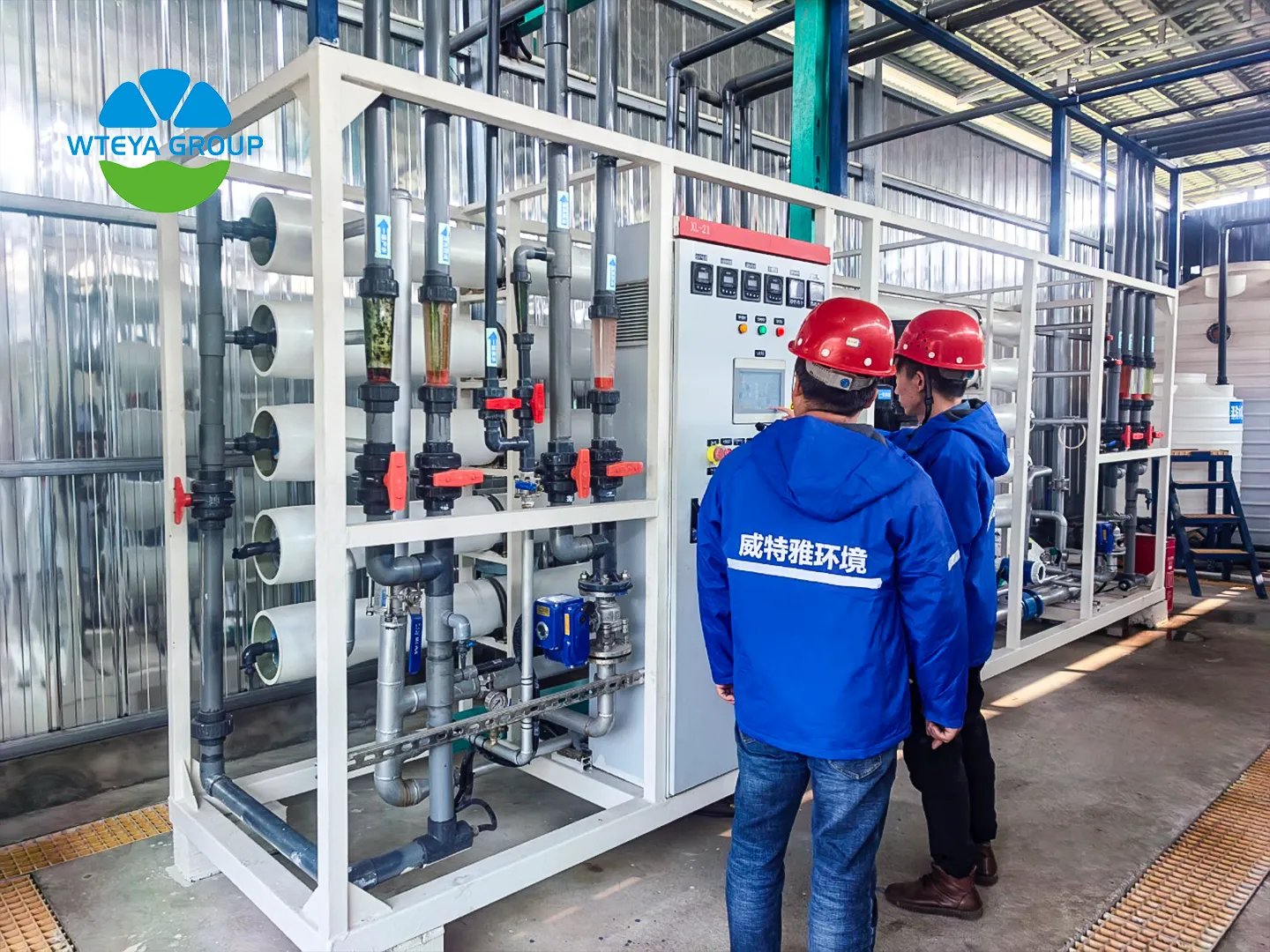
The right configuration depends on plant size, feed salinity and whether the site has a grid connection. A larger seawater plant with a stable load is the classic home for an isobaric pressure exchanger, where its efficiency advantage has the most room to pay off. A smaller or remote plant, or one running on a photovoltaic-and-battery supply, may favour a simpler turbine-based device whose maintenance needs are modest and whose parasitic load is low.
Whatever the device, it should be designed together with the high-pressure pump and a variable-frequency drive. Optimising the three as a group — rather than selecting each in isolation — is where an additional few percent of energy usually hides.
Why Choose WTEYA
WTEYA has nearly 20 years of experience in water treatment and desalination, and more than 2,000 customers. Our seawater and brackish-water reverse osmosis systems are engineered around a real water analysis, and energy recovery is integrated into the design rather than bolted on afterwards. With a stated 99.5% salt rejection rate and product water below 200 ppm TDS, our plants deliver drinking-water quality while keeping energy consumption and operating cost under control, backed by factory support for sizing, commissioning, operator training and long-term service.
Frequently Asked Questions
Q: How much energy can an energy recovery device save?
A: On a seawater RO plant a well-chosen device typically saves around 30% of pumping energy, bringing consumption from roughly 3 to 4 kWh per cubic metre down toward 2.5 to 3 kWh per cubic metre. Isobaric pressure exchangers can recover 95% or more of the available brine pressure.
Q: Do brackish-water plants need energy recovery?
A: Not always. Brackish feed needs only 1 to 2 kWh per cubic metre and the brine carries less recoverable energy, so a simpler arrangement is often the better economic choice. Recovery pays best where feed pressure and flow are high, as in seawater plants.
Q: What is the payback on an energy recovery device?
A: Payback is normally measured in two to four years on seawater plants, after which the energy saving flows directly to operating profit. Exact figures depend on plant size, energy price and hours of operation.
Join the WTEYA Dealer Network
Become a WTEYA authorized dealer and offer desalination systems built around efficient, well-integrated energy recovery. We provide exclusive territories, competitive factory pricing and full factory support — technical training, project sizing assistance, documentation, marketing material and after-sales backup.
Whether you already serve the water, hospitality or industrial sectors or want to enter them, our team will help you size projects, prepare quotations and close the deal. Contact us to discuss territory availability and partnership terms.
📲 WhatsApp: +86-1802 5185 143
📧 Email: sales@wteya.com
🌐 Website: www.wteyaa.com
Previous: Mobile Desalination Units for Temporary Water Supply
Next: No More